
In the News
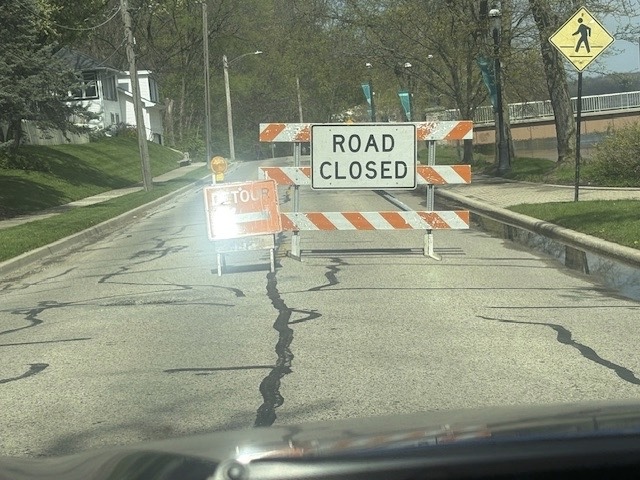
With some exceptions, it is usually not good when your river is part of a network news story. I recall images of whole houses and vehicles floating down the Mississippi River during my adult life. 100-year floods had occurred twice in a decade. The Fox River’s recent flood crested on 4/23, but the impacts upon adjacent personal property with debris traveling downstream will continue. Our sincere condolences to those who have realized losses. Can flooding be a positive thing? That depends upon one’s perspective.
The Fox River Flood of 2026
Increase-river flows begin with seasonal precipitation. This year, the flows reached flood stage due to sustained torrential downpours – sometimes two inches per hour. Increased urbanization contributed to the problem. As more vegetation is removed from the landscape and replaced with materials like concrete, asphalt, and rooftops, the ground’s ability to absorb precipitation is reduced or eliminated. Water runs off the new landscape as “storm water.” The inability of developed land to absorb the excess and the addition of storm water to the river system artificially add accelerates natural flood events.

but concentrate it into runoff.
We All Live Downstream
Last August, amidst a long-term drought and extended rainless period, I was intrigued with the local increase in river flows. The answer is basic to Friends of the Fox River education; that we live in a watershed – which is “the total land area that drains to a common system.” To protect a river, we must manage the entire watershed that impacts it. While it was dry where I live at mile 76 of the 200-mile-long Fox, upstream at mile 171, the Waukesha area had received a record 14 inches of rain. A few days later, that water had arrived in my rainless neighborhood. With it was not just rain drops, but all that the land contributed in the form of polluted runoff, interesting floating debris, and the erosive power of the increase flow. We are literally all connected in the watershed.
Ecologically Thinking
Ecology is the study of the interrelationships between living organisms and the physical environment. Those relationships are complicated. Rivers are especially complicated systems because they are dynamic and they travel. Very basically, rivers are considered the lifeblood of the Earth. They seasonally transport nutrient-laden sediment. The cycle is referred to as a scour and deposit process. As the power of the water increases, it dislodges fine grained soil particles and transports them until the force of gravity overcomes the diminishing force of the flow. The result is sometimes seen as sand bars and islands. In addition to the nutrient enrichment, the flood waters provide life support by creating and enriching habitat. Many plants, insects, fish, and birds rely on the recharge of wetlands. The spring love songs of frogs from tiny low and wet spots are evidence of this. In addition, the river provides an essential recharge of the groundwater. It is a complicated series of interactions.

Some cultures like Egypt’s directly relied on the seasonal delivery of nutrients from upstream to support their agrarian society. Rivers in our region have provided rich natural resources for our native ancestors for thousands of years. However, settlers quickly changed the relationship by building dams to harvest the power of the river and began draining wetlands with tile systems for their agricultural production. Thus began the loss of most of our historic wetlands. Those wetlands were “sponges” that physically absorbed flood waters. We have attempted to replace those with constructed stormwater retention basins.

The Floodplain Assault
A floodplain is a generally flat or low-lying area of land adjacent to a river, stream, lake, or ocean that is periodically inundated by water during high-flow events. It is somewhat of a beach on each side of a river that absorbs the powerful energy of higher-than-normal flows. Settlers in our area built commercial structures in the floodplain for convenient access to the river, and later we built residences for recreational access (camps and cottages). Walls were built to prevent flood season impacts on our property. The walls had protected their individual properties, but by removing the flood control of floodplains, it increased flood impacts downstream. The levees on the Mississippi River are an example of this effect. Now, restoration of the floodplains is a growing movement – another example of the “nature knows best” lesson we keep ignoring.
Don’t Blame an Agency or a Dam
The dams from Algonquin to Yorkville were constructed for power production, not flood control. The Stratton Lock and Dam are used for flow control. It is controlled by the Illinois Department of Natural Resources (IDNR) Office of Water Resources under strict guidelines, not a whim of an operator. The state funded Fox Waterway Agency exists to protect and enhance the Fox River and Chain O’Lakes as a shared public resource. Their work focuses on maintaining safe and enjoyable recreational waterways, restoring and protecting environmental quality, reducing flood risks, supporting tourism, and improving the overall quality of life for everyone who lives, works, and plays along the waterway. Currently, they are active in flood management.
Floods of the Future
As the climate continues to warm, moisture is added to the atmosphere. This results in more frequent and powerful storm events. As development continues to sprawl throughout our watershed, storm water will continue to increase. The need to preserve, protect, and restore open space is more important than ever. We have the knowledge and resources to control both climate impacts and storm water increase. The question is whether we will care about flooding after the storms.
Managing Resilience
We keep receiving the lesson that nature knows best. That is the root of restoration efforts. How can we address the changed landscape to restore the ecosystem services we have impacted? It can be done on the “one yard at a time” scale of keeping water on site with rain gardens strategies and on a neighborhood scale by naturalizing common spaces. On a community scale, we can address it by better management of detention basins. On a larger scale, we can require better design practices in development plans. In essence, keeping water where it falls, and supporting native vegetation.
Now is a great time to carry your personal Earth Day inspirations and the abundant local plant sales to celebrate Mother’s Day with some efforts that honor Mother Earth’s life’s blood of nourishment: our streams and rivers.

