This Late Summer on the Fox River
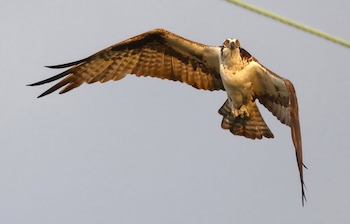
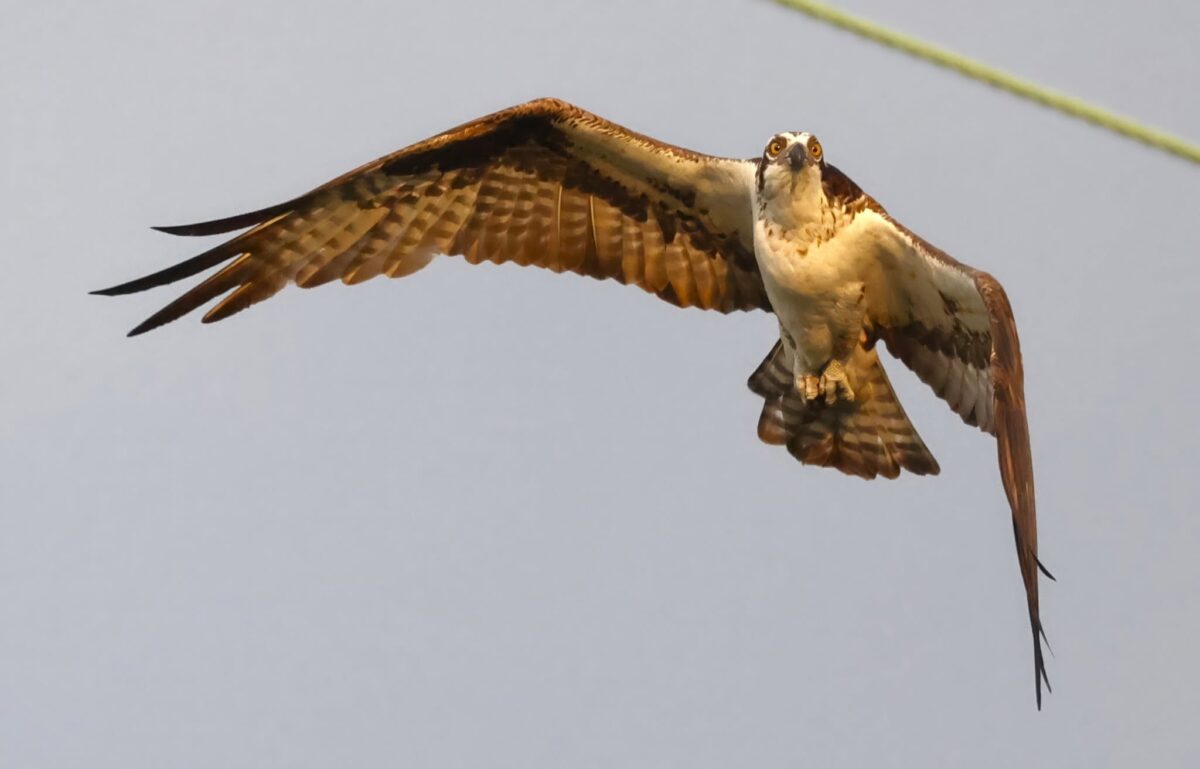
This year has been a great one for birding along the Fox River. The nesting pair of Peregrine Falcons in Aurora has made for a spectacular early spring through mid-summer. The nesting Bald Eagles in our watershed have had some rocky moments, but they have been successful in raising their young and have been regularly visible to interested observers. The early season migration of warblers through the area was fantastic, both in terms of numbers of birds and variety of species, and the fall migration is off to a strong start. One species that hasn’t always been particularly common in our watershed, seems to be unusually prevalent throughout the Fox River Valley this late-summer and early-fall: the Osprey (Pandion haliiaetus).
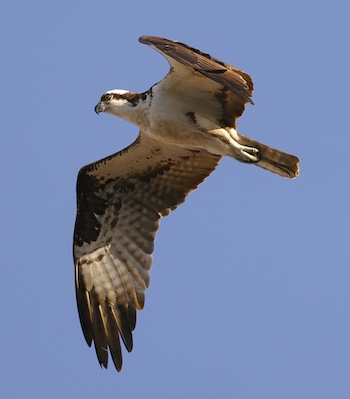
While Ospreys are one of the most widely distributed birds in the world, existing on every continent except Antarctica, they have not always been common here in our Fox River Valley or in all of Illinois, for that matter. They were listed on the State of Illinois’s Endangered Species list until 1997and are still listed as a state threatened species. The Illinois Department of Natural Resources says that the species ongoing threatened status is due to the past use of DDT in the United States and current use of the pesticide in countries where the birds migrate to in the winter, poor water quality in general, and human disturbance near waterways where the birds prefer to nest and hunt.
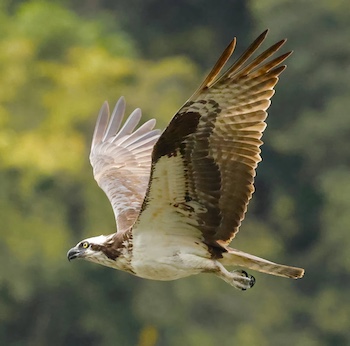
Lately though, I have been seeing many adult and juvenile Osprey along the Fox River in both the Aurora and Yorkville areas. I have heard reports of them being more common all up and down the length of the Fox River and throughout the rest of the state this year too. The exact reason for this “boom” in Osprey population in Illinois and our Fox River watershed may never be known for certain, but we can speculate on some factors that may be helping them. Factors may include: more nesting platforms being provided by humans, better water quality, more fish, less competition from other fishing birds, measurement error, or a combination of all these factors and more. Whatever the reason that the birds are seemingly more common this year than in past years, it’s a definite treat to see them!
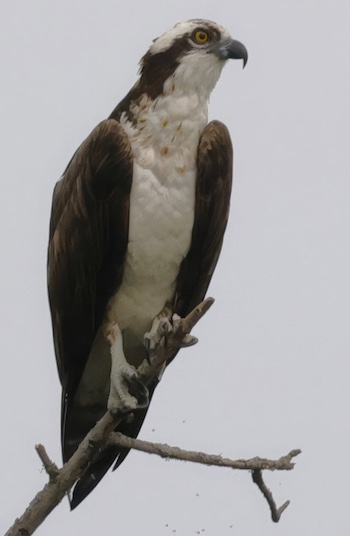
to Jim Phillips.
Ospreys mate for life and both parents take turns incubating the eggs, although the female spends the lion’s share of the time protecting the nest. The male hunts for the female and feeds her while she is on the nest and feeding the chicks. Ospreys typically lay 2 to 4 eggs, typically in late April to early May in our area and the incubation period is between 36 and 42 days. Once hatched, the female continues to guard the chicks while the male brings food for her and the young Ospreys. The young birds fledge about two months after hatching and learn to fish for themselves. Ninety-nine percent of the Osprey’s diet is fish! Ospreys are migratory birds in the Fox Valley. They first appear in our area in early March and begin their migration back south in early September through October. (NOTE: I saw an Osprey over downtown Aurora this morning and another one at the Hoover Forest Preserve near Yorkville this afternoon (9/14/2026), so some are still around!).
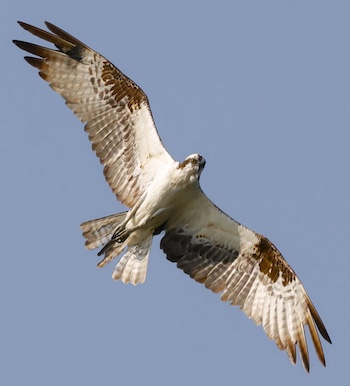
The State of Illinois has been very active over the past several years in helping Osprey to recover from their past endangered and current threatened status by working to improve habitat and provide artificial nesting platforms for the birds. The Department of Natural Resources and a group from the University of Illinois at Springfield have been leaders in this process. Research shows that Osprey are more successful when they nest on human-made nesting platforms as opposed to natural nesting sites in trees, mainly because of the artificial platforms’ resistance to severe weather and natural predators. The poles used are typically stronger and stand up to winds better than trees and have smooth surfaces that keep natural predators like racoons from raiding the nests.
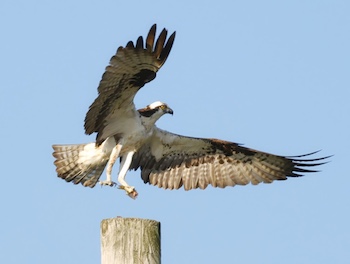
Many local forest preserves and municipalities in the Fox River valley have erected nesting platforms to help the birds. Over the past few months, I have been in discussion with some members of the Aurora city government to build several nesting platforms along the Fox River within the city limits to encourage the Ospreys to nest there. I’m hopeful that these discussions will be fruitful!
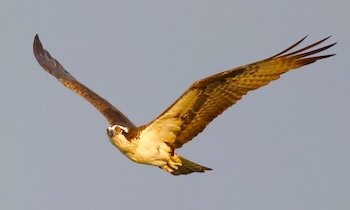
So next time you’re out on or along the Fox River, keep your eyes to the skies! You may see one of any number of large raptors: Bald Eagles, various hawks, maybe even Peregrine Falcons, but a special treat might also be in store: seeing an Osprey fishing over the river! They are truly spectacular birds!