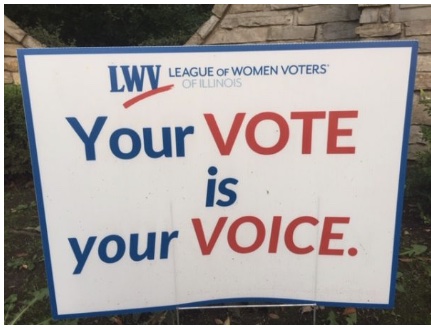

In the late 60’s, our country was in turmoil. We had an unpopular Vietnam War, Civil Rights unrest, and environmental disasters like the Cuyahoga River on fire. Americans reacted and through demonstrations made their unrest heard. As a result, local, state and federal laws established environmental protection in the United States. The Environmental Protection Agency (USEPA) was established on the federal level and in many states. A whole suite of legislation was adopted including these laws, so essential to preserving our natural environment:
- National Environmental Policy Act (1970): Established the framework for modern environmental protection and created the Council on Environmental Quality.
- Clean Air Act Amendments (1970): Authorized comprehensive federal and state regulations to limit emissions from both stationary and mobile sources.
- Clean Water Act (1972): Established the basic structure for regulating pollutant discharges into the waters of the United States.
- Endangered Species Act (1973): Provided a program for the conservation of threatened and endangered plants and animals and their habitats.
The Endangered Are in Danger
Today, the USEPA has newly appointed directors that have drastically changed course. All the listed legislations (and many more) have been weakened to allow for new environmental destruction by private interests. As an example, endangered and threatened species are no longer proactively protected. Instead, new language suggests that a species is only protected if there is a direct action with the intent of harming that species. As an example, it is now allowable to drain a wetland even if it is supporting that threatened salamander.
Current Situation
The atrocities that have occurred since early January 2026 are having direct and significant negative impact on environmental protection, the research necessary for decision making, and the qualified personnel to perform the work. 4000 USEPA workers have left their positions in the past year, including team leaders. Many of the losses are probably irreversible. This is not only an assault on our natural resources, but also on the public interest. Americans favor environmental protection, especially water quality. Click here for the survey.
Crossing Party Lines
Many of the surveys find that environmental protection as a value is not aligned with either of the major political parties right now. Click here for the survey. For instance, common concerns about data centers have become a rallying point for both parties, and data centers are definitely a mid-term issue at all levels of government.
Use Your Voice
Friends of the Fox River (FOTFR) was founded to give the Fox River and its watershed’s inhabitants a VOICE. FOTFR works every day to educate and empower those voices through social media posts, the Watershed Weekly, events, and special programming. We are now in the mid-term election season. As a 501c3 organization, FOTFR cannot endorse candidates. However, we can and do encourage voter education and using your voice at the ballot box.
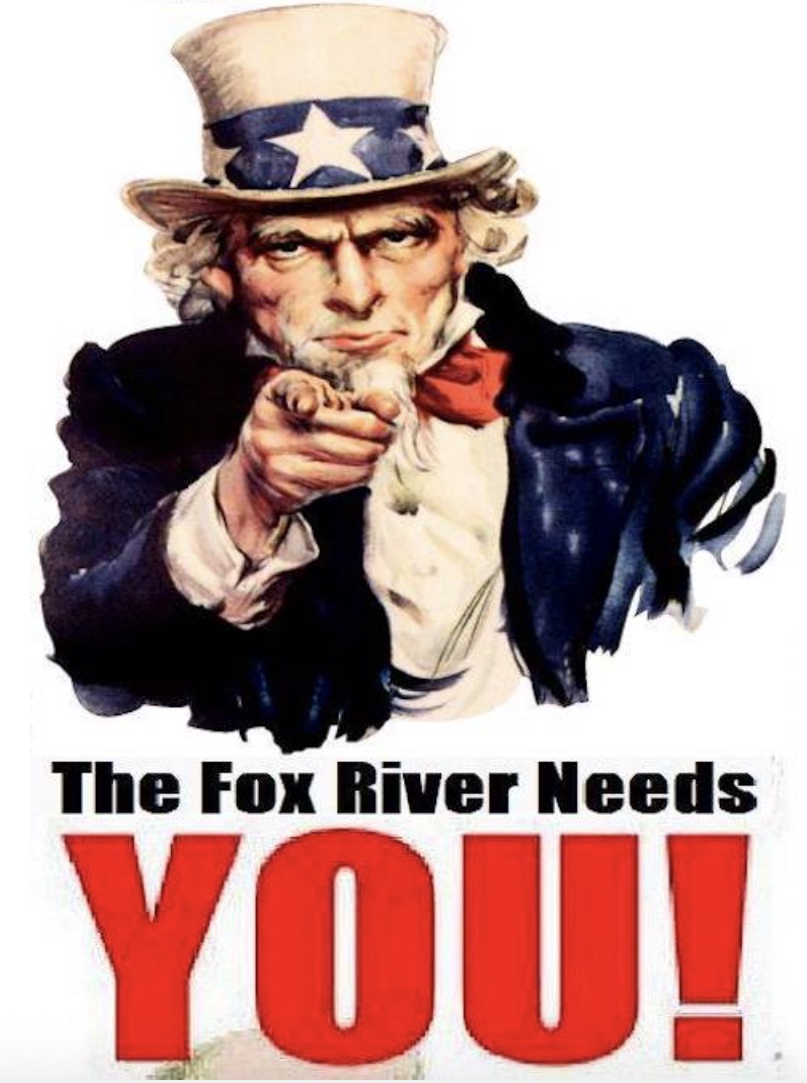
Elect Better Representatives
It is no secret who was responsible for agency agenda changes and appointing new directors to drive the efforts that are counter to environmental protection. The choice lay not only with the executive branch but also with our representatives who hold any legislative power. The solution to this backwards trend is to elect representatives that share our environmental protection interests and have the budgetary power to protect our interest in preserving our environment. Restoring damage to legislative environmental protection will be a challenging job, but we must elect those who are committed to that task.
Elections under Attack
The current administration is attacking the electoral system with redistricting, eligibility hurdles, mail in obstacles, and even result recording. We can counter this through massive voter turnout. Please develop a plan to vote on November 3rd and encourage others to do the same.
Get Educated
Vote early if you can and encourage others to do the same. If you vote by mail, allow two weeks for your ballot to be counted or deliver your ballot directly to a drop box. Remember, in Illinois, voters can register to vote up to 27 days before the election and can register using “grace period registration” on election day at designated sites.
For your complete voter information, including mailing, drop box location, early voting locations, candidate profiles, and more go to: BallotReady
Prepare yourself to vote by learning where candidates stand on issues that matter to you. The League of Women Voters offers candidate forums in most communities. You can find them here: https://www.lwv.org. Take a friend or family member to these events! One of our partners, the Illinois Environmental Council (IEC) offers a scorecard on candidates, click here.